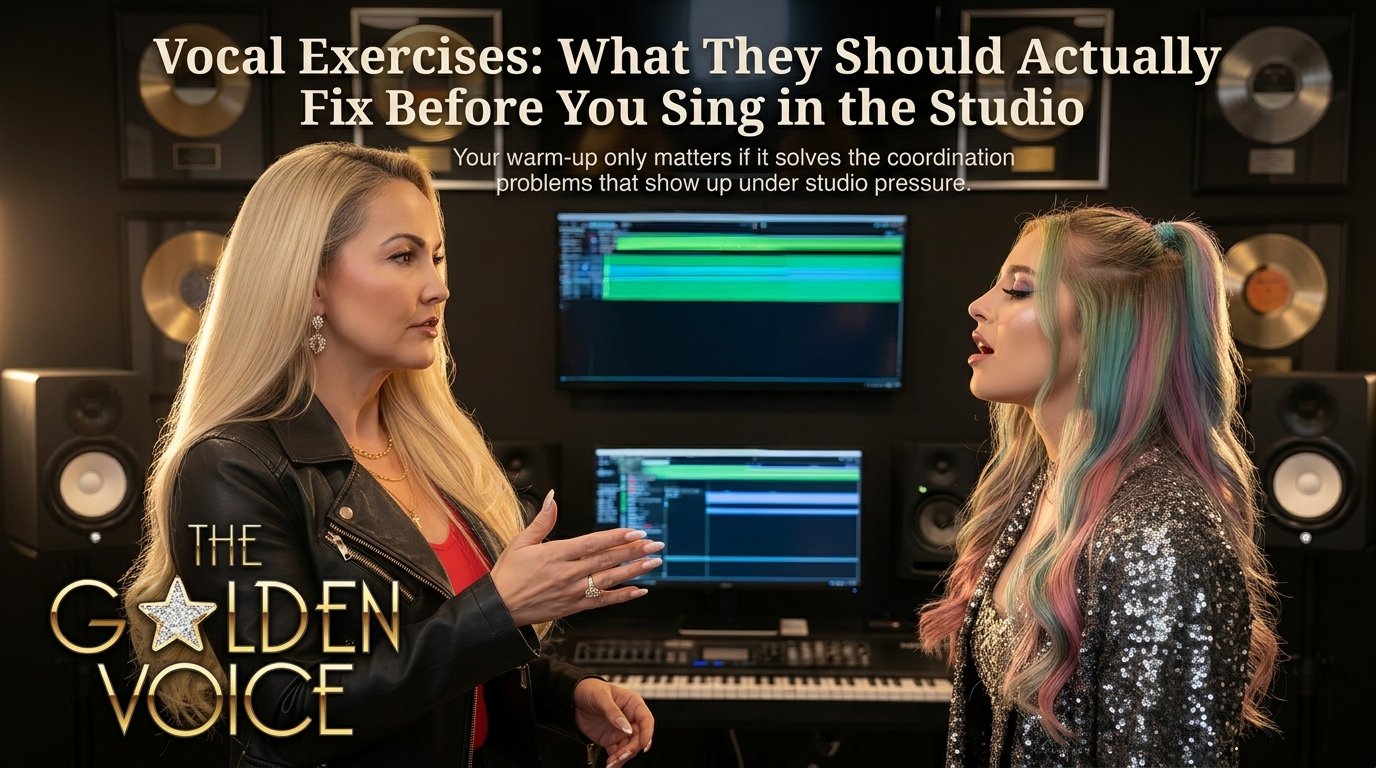
Most vocal warm-ups miss the point. You can spend an hour on routine exercises and still feel shaky the moment the red light turns on. The truth is, vocal exercises only matter if they fix the exact breath support, placement, and coordination issues that break down under studio pressure. Let’s cut through the noise and set a new standard for what it means to be truly ready to record. Check out this discussion for more insights.
What Should Vocal Exercises Really Fix?
Breath Support and Vocal Coordination
When preparing for a recording session, it’s crucial to focus on breath support and vocal coordination. Many singers think their studio warm-up is enough, but without targeting the exact issues, like breath management, they might still struggle with vocal strain. To get a comprehensive understanding, check out this article on how to improve your singing voice.
Vocal Placement and Studio Consistency
Achieving consistent vocal placement is another key aspect. It’s not just about hitting the notes but ensuring that your voice remains stable throughout the session. This guide on vocal technique and improvement provides insights into maintaining studio-ready consistency.
Targeted Vocal Onset and Vowel Tuning
Your vocal exercises should also fine-tune your vocal onset and vowel tuning. These elements play a pivotal role in creating a natural resonance without unnecessary effort. Even seasoned artists need to refine their technique, and here’s why great singers continue working with vocal coaches.
Before your next session, remember to swap the generic 20-minute warm-up for a targeted routine. Focus on breath, placement, and consistency to reduce strain and achieve fewer retakes. If you’re looking for expert guidance, consider booking a Studio-Ready Vocal Assessment with The Golden Voice.
Vocal Exercises and Studio Myths
Long Warm-Ups vs. Real Prep
You’re not alone if you’ve ever felt that your lengthy warm-up routine isn’t cutting it in the studio. Many singers believe that spending an hour on vocal exercises equates to being ready. Yet, reality often disagrees, especially when the red light turns on, and your voice doesn’t deliver as expected. Warm-ups should not just be about time spent but about targeting specific vocal issues.
Common Misconceptions Unveiled
It’s common to think that more practice always leads to better performance. But here’s the truth: it’s not about quantity; it’s about quality. Simply repeating exercises can reinforce bad habits if you’re not addressing the core issues like breath support and vocal coordination. Many singers discover this the hard way, realizing too late that their routine never fixed the habits that undermine studio performance.
What Exercises Should Actually Fix
Vocal exercises should focus on three main areas: breath support, placement, and consistency. These are the pillars of a stable and reliable voice. Exercises should aim to strengthen your ability to control your breath, place your voice correctly for resonance, and maintain consistency throughout your session. By targeting these areas, you’ll find your voice becomes more dependable under pressure.
Targeted Studio Warm-Up Essentials
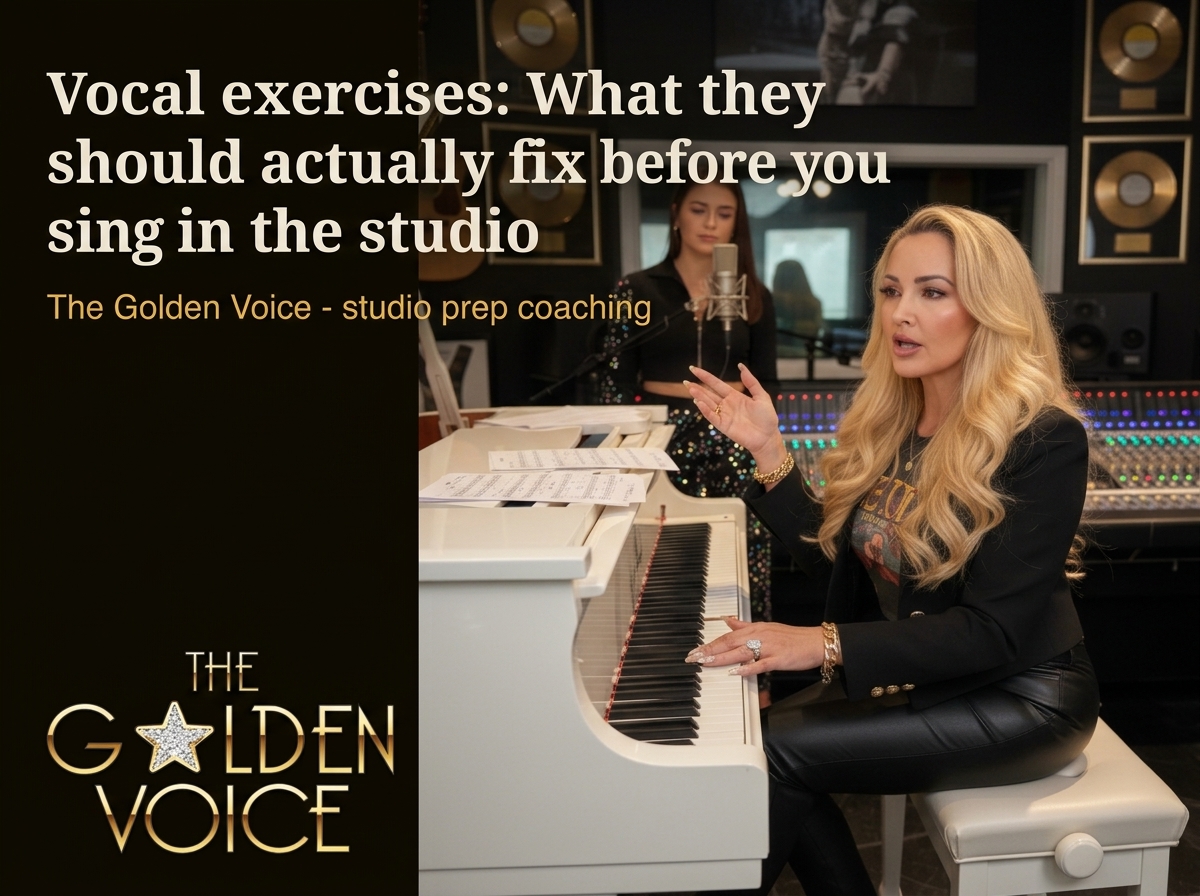
Breath Support and Vocal Coordination
Breath support and vocal coordination are the backbone of any successful recording session. Without them, you risk vocal strain and inconsistent performance. Start with exercises that focus on breath control, like diaphragmatic breathing. Practice maintaining steady airflow while singing scales to improve your control and coordination. A reliable voice begins with a firm foundation in breath management.
Placement and Resonance Techniques
Proper vocal placement and resonance are key to achieving a clear, powerful sound. Work on exercises that help you find your vocal placement—this is where your voice resonates best. Techniques such as humming or using a straw can help you discover the most efficient placement for your voice, enhancing clarity and reducing strain. This ensures your voice projects naturally and is stable throughout your session.
Ensuring Consistency and Fewer Retakes
Consistency is crucial in the studio, where retakes can be time-consuming and frustrating. Focus on exercises that build muscle memory and help maintain vocal consistency. Practice singing with a metronome or recording yourself to identify any inconsistencies. The goal is to have a smooth, reliable performance every time you sing.
How to Know Your Routine Works
Diagnosing Vocal Onset and Vowel Tuning
A well-designed routine will address your vocal onset and vowel tuning. Begin by evaluating your vocal onset—this is how you start each note. A smooth onset reduces tension and improves sound quality. Similarly, vowel tuning ensures your vowels are clear and consistent. These aspects are crucial for a polished studio performance.
Practical Studio-Ready Voice Checks
To ensure your voice is studio-ready, conduct regular checks. Record yourself singing a challenging piece and listen for breath control, placement, and consistency. Adjust your exercises based on what you hear. A practical approach helps you refine your routine and ensures you’re prepared when it’s time to record.
Professional Coaching and The Golden Voice Method
Professional coaching can elevate your preparation, offering personalized guidance to address specific vocal challenges. The Golden Voice Method provides structured coaching, focusing on the unique needs of each singer. With expert insight, you can transform your studio preparation into something truly impactful.
Frequently Asked Questions
What should vocal exercises focus on for studio readiness?
Vocal exercises should focus on breath support, vocal coordination, and placement to ensure stability and consistency in the studio.
How can I improve my vocal onset and vowel tuning?
Practice exercises that target smooth vocal onset and clear vowel sounds, like humming exercises or straw phonation, to improve these aspects.
Why is professional coaching important for recording artists?
Professional coaching offers tailored guidance to fix specific vocal issues, helping artists achieve better studio performance and fewer retakes.