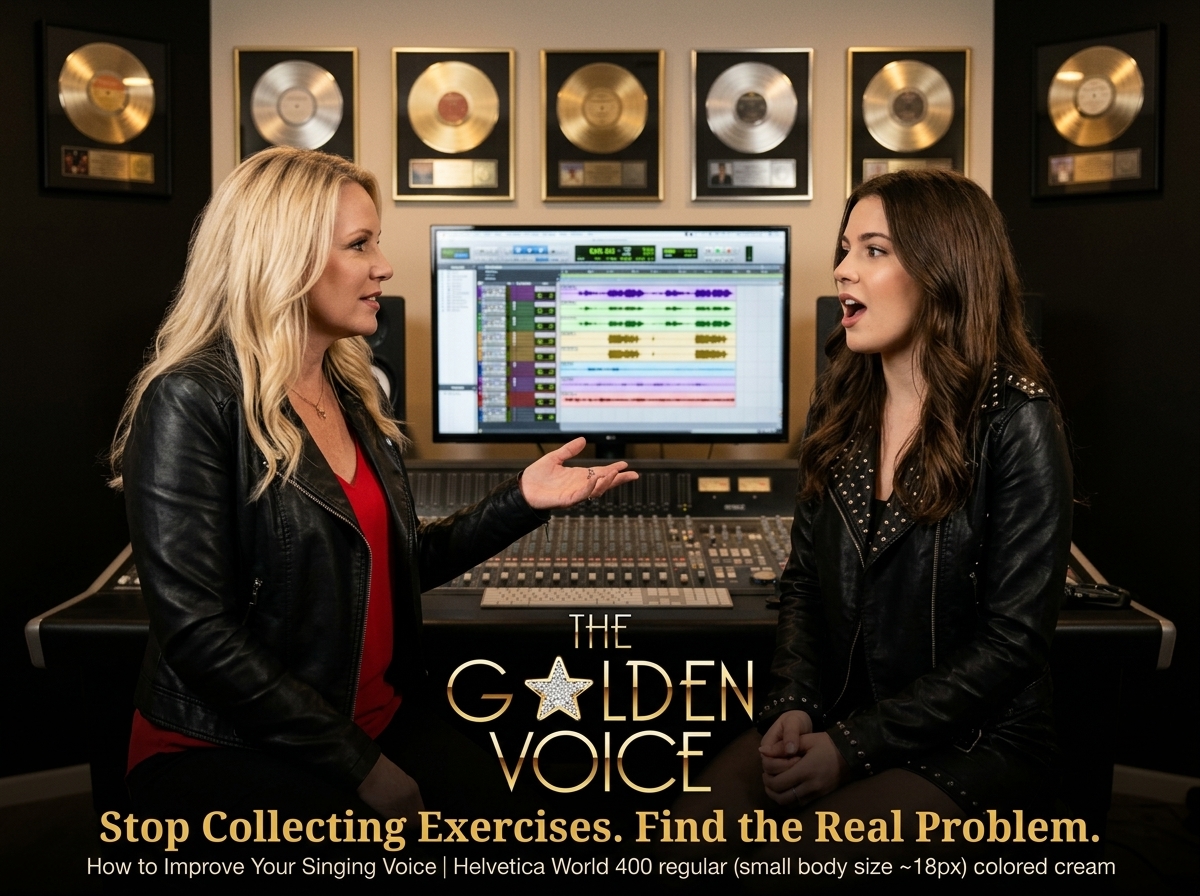
Most singers think piling up exercises will fix their voice. That’s a mistake. Real progress starts by spotting exactly what’s blocking your sound and tackling it head-on. If you want to know how to improve your singing voice, you need a clear, honest vocal assessment that reveals the habits and technical gaps holding you back. Let’s cut through the noise and focus on what actually moves your voice forward.
Identify Vocal Interference
Before you can improve your singing voice, you need to understand what’s holding it back. Identifying these roadblocks is the first step toward progress and clarity.
Common Misconceptions in Singing
Most people believe that more exercises lead to better singing. That’s not true. You can sing scales all day and still find yourself stuck. The problem often lies in not knowing which habits need changing. Many singers think they have to be naturally gifted to excel, but that’s another myth. The truth is, focused practice on the right issues can make anyone better. It’s not about raw talent; it’s about working smart. Understanding this will help you break free from stagnant routines and progress with purpose.
How to Spot Vocal Interference
Spotting what’s interfering with your voice requires a keen ear and honest self-assessment. First, record yourself singing. Listen to the playback and note where your voice feels strained or inconsistent. Are there any notes you consistently miss? Next, examine your breathing. Many singers struggle because they haven’t mastered breath management. This can lead to a lack of support and control. Finally, consider your posture. Poor alignment can cause tension that affects your sound. Recognizing these issues is crucial. With this awareness, you can begin addressing the real problems rather than guessing blindly.
Purposeful Training Techniques
Once you identify what’s blocking your sound, the next step is training with intention. Purposeful exercises can transform weak areas into strengths.
Effective Singing Exercises
Not all exercises are created equal. Choose those that target your specific needs. For instance, if breath management is an issue, practice exercises focusing on diaphragmatic breathing. Humming is excellent for exploring resonance without strain. It encourages relaxation and helps you find your natural voice. Lip trills are perfect for smoothing out transitions between notes, aiding in mix voice training. Remember, each exercise should have a clear purpose. When you focus on exercises tailored to your issues, you’ll notice improvements faster.
The Golden Voice Method Explained
The Golden Voice Method is all about targeted progress. It’s designed to address your unique challenges with precision. This method involves line-by-line coaching, ensuring that every note you sing has intention behind it. With this structured approach, you’re not just practicing randomly; you’re working on specific techniques that bring results. This method is great for serious singers ready to move past generic lessons and into focused development. It teaches you to sing with authenticity and confidence by addressing your core issues.
Benefits of Vocal Assessment
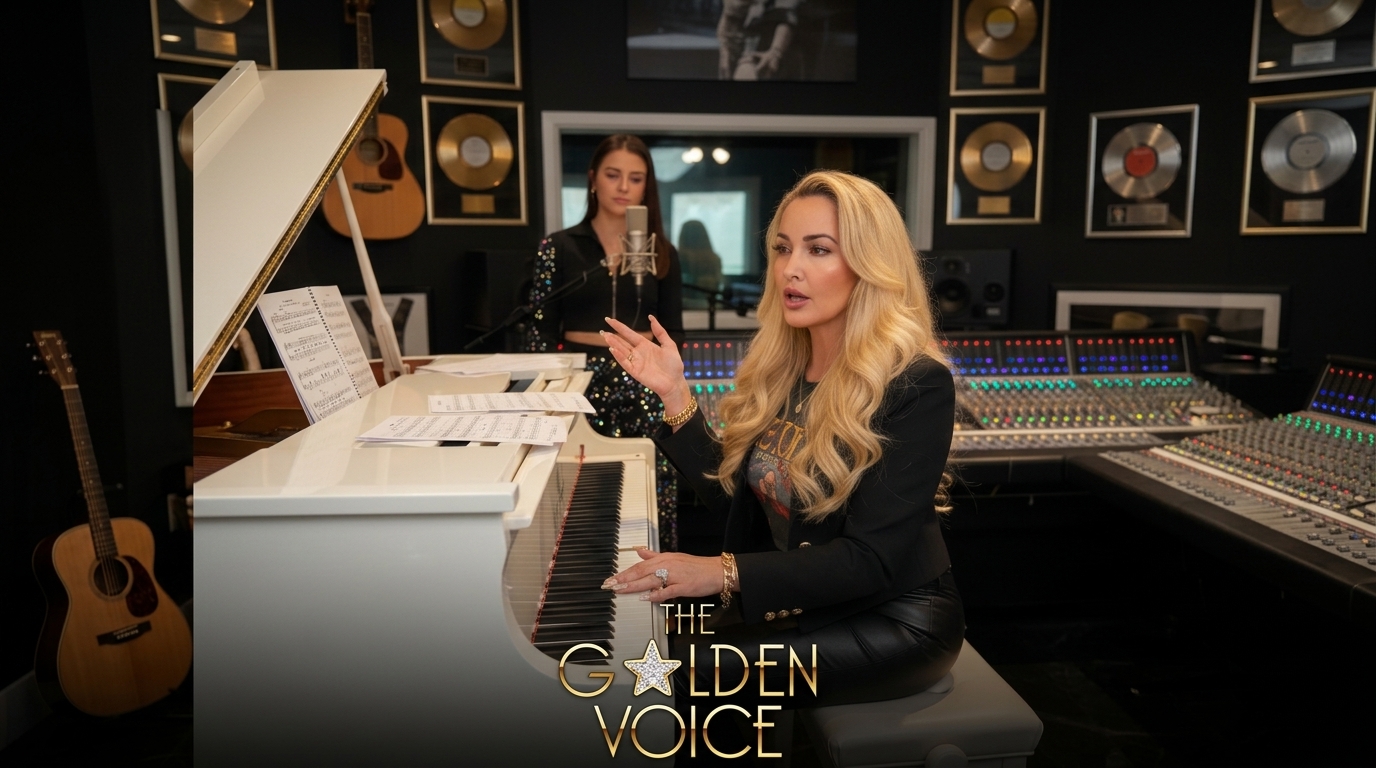
A thorough vocal assessment is like a roadmap. It guides you toward effective practices and away from bad habits that hold you back.
Fix Bad Vocal Habits
Bad habits can creep into your singing unnoticed. A vocal assessment shines a light on these, making them impossible to ignore. For example, if you’ve been singing with tension, an assessment will help you understand why. Once identified, you can work on relaxing and improving your technique. This process is empowering. It gives you control over your voice, allowing you to shape it effectively. With this new understanding, you can finally correct habits that have been limiting your potential.
Personalized Coaching for Progress
Personalized coaching is the key to unlocking your best voice. Unlike one-size-fits-all lessons, it’s tailored to your individual needs. This kind of coaching considers your goals, challenges, and learning style. Whether you struggle with register balance or need guidance on voice coordination, a personalized approach ensures you focus on what’s most beneficial for you. This level of attention accelerates progress, making the journey from where you are to where you want to be more efficient and enjoyable.
Frequently Asked Questions
How can I improve my singing voice quickly?
Focus on identifying and addressing the specific issues in your voice. Use targeted exercises and consider a vocal assessment for precise guidance.
What is vocal interference?
Vocal interference refers to any habitual or technical problem that hinders your ability to sing well, such as poor breathing techniques or tension.
Why is a vocal assessment important?
A vocal assessment provides a clear understanding of your strengths and areas for improvement, allowing you to focus on the right techniques for faster progress.
What are some effective singing exercises?
Exercises like lip trills, humming, and diaphragmatic breathing can help address specific issues like tension and breath management for better singing.
How does The Golden Voice Method work?
The Golden Voice Method uses line-by-line coaching to target and improve your unique vocal challenges, ensuring focused and personalized development.