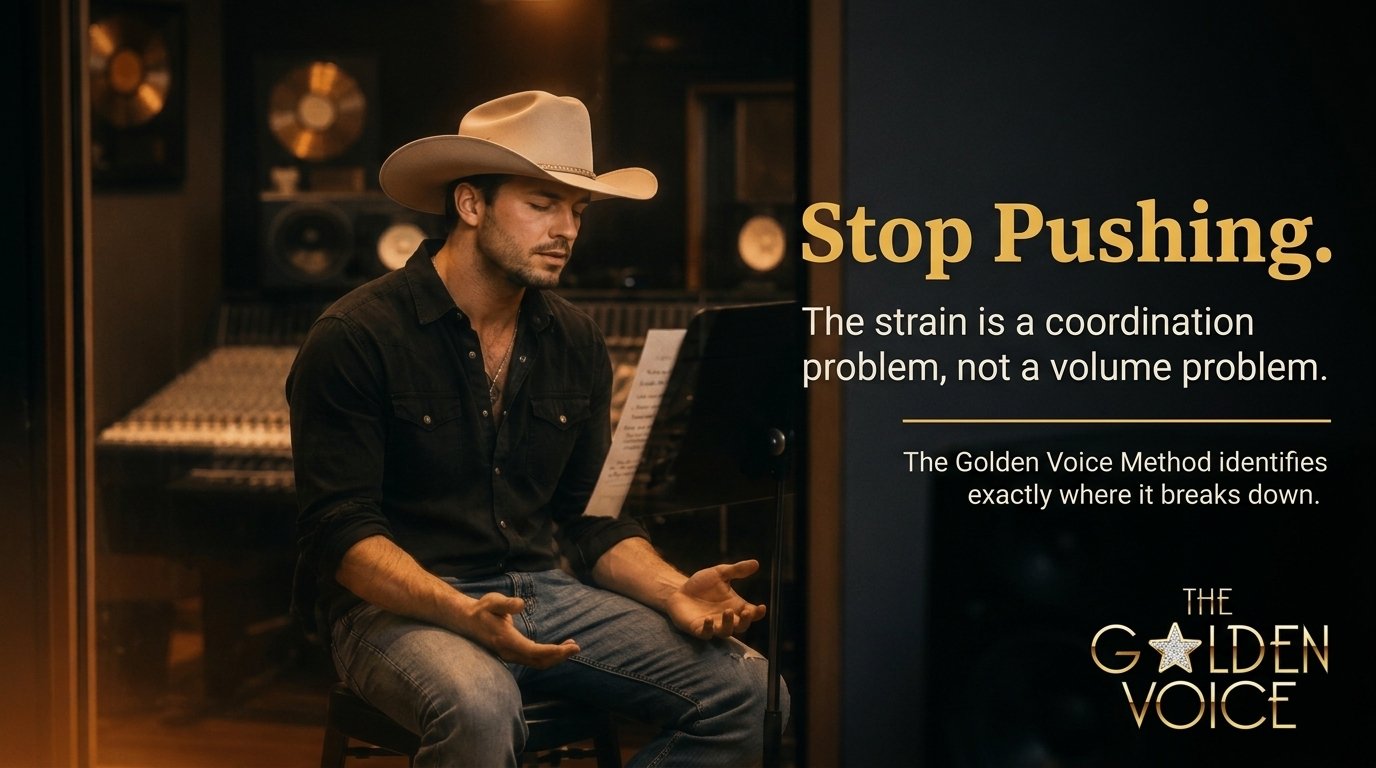
Most male singers hit a wall when trying to sing higher notes, and it’s not about pushing harder. If you feel tension or strain creeping in as you reach for those top notes, you’re likely fighting your own coordination. The real fix isn’t more volume or effort—it’s cleaning up the technical setup that gets tangled around your passaggio. Let’s break down where things go wrong and what you can do first to get those higher notes singing smoothly. For a visual explanation, take a look at this video guide.
When it comes to reaching those high notes effortlessly, it’s crucial to understand the coordination involved. Many singers think they need to exert more power, but that often leads to tension. Instead, refining your technique can make a world of difference. If you’re curious about how to sing better and stop pushing unnecessarily, our article on How to Sing Higher Notes offers insightful tips to improve your range safely.
Understanding Male Singing Challenges
It’s easy to feel stuck when trying to hit higher notes. Often, singers believe the solution is more effort. But the reality is, coordination plays a more significant role in how you approach those challenging notes.
Common Misconceptions About High Notes
Many male singers assume that reaching high notes requires more power. This belief is misleading. When you push harder, you may end up straining your voice. The truth is, high notes depend on precise technique, not sheer force. Most people think it’s about volume, but it’s actually about mastering the right adjustments. Understanding this can prevent unnecessary strain.
Coordination Over Force for Better Results
Instead of forcing the voice, focus on how your vocal cords work together. Coordination means knowing how to balance your breath, tension, and vocal placement. By aligning these elements, you can achieve the clarity and ease you want in your higher range. Imagine singing without the struggle, where notes come out clean and pure. That’s the power of coordination.
The Role of Coordination in Singing

Once you grasp that coordination is key, it’s time to dive deeper into understanding how it can transform your singing. It’s like unlocking a new level in your vocal ability without the need to push harder.
Identifying Coordination Issues
First, recognize when your coordination is off. If you feel strain or hear cracking in your voice, something is misaligned. These symptoms often occur when trying to bridge the gap between your natural singing voice and higher notes. Pay attention to how your voice feels and sounds. This awareness can guide you toward a more balanced approach.
Key Checkpoints for Effective Singing
There are specific points to check for effective coordination. Start by adjusting your larynx position; it should remain stable rather than rising with high notes. Next, consider vowel modification. Sometimes, tweaking a vowel sound can ease the transition into your upper range. Lastly, practice SOVT exercises like straw phonation to improve vocal health and reduce strain. These checkpoints help maintain a healthy voice while extending your range.
Practical Steps to Improve Singing

Knowing the theory behind coordination is valuable, but putting it into practice is where true progress happens.
Techniques to Reduce Vocal Strain
To reduce strain, begin with simple exercises. One effective method is to use a straw. Singing through a straw can help regulate airflow and pressure, thus easing tension. Focus on keeping your breath steady and controlled. Avoid shouting or forcing your voice. Instead, let the air do the work for you. This approach fosters a healthier singing technique.
Avoiding Common Mistakes in Male Singing
Avoid common mistakes like pushing too much air or tensing up your neck and shoulders. These habits disrupt vocal coordination. Instead, practice singing with a relaxed posture. Imagine your voice flowing effortlessly from your body. By doing so, you create a smoother path for sound, allowing those high notes to shine without strain.
Frequently Asked Questions
How can I sing higher notes without straining my voice?
Focus on coordination rather than force. Utilize techniques like straw phonation and maintain a stable larynx position to ease into higher notes.
What is the passaggio, and why is it important?
The passaggio is the transitional area between vocal registers. Managing it well helps prevent strain and achieve a smooth transition between notes.
Why do I feel tension when singing high notes?
Tension often results from pushing too hard or poor coordination. Emphasize balanced breath support and proper vocal technique to reduce strain.