
Most advice about how to sing better begins with a list of vocal exercises. That is often where the problem starts. If you don’tt know why your voice becomes tight, breathy, unstable, or inconsistent, adding more exercises gives you more material to repeat. It doesn’t not give you a clearer direction.
You may already be practicing several times a week. You may know every warmup in your routine. You may sing the same difficult song repeatedly and still struggle with the same phrase. That doesn’t mean you lack talent or discipline. It means your practice may not be addressing what your voice actually needs.
To sing better, you need to identify the cause of the problem, train the right coordination, and prove that the adjustment works in an actual song.
How to Sing Better by Finding the Cause
Singers often describe a symptom as if it were a diagnosis.
A high note feels difficult, so you assume you need more range. You run out of energy at the end of a phrase, so you decide you need stronger breath support. Your voice sounds light, so you try to add more power.
But a high note can become difficult for several reasons. You may be carrying too much vocal weight, releasing more air than the sound requires, spreading the vowel, tightening your tongue, or approaching a register transition inefficiently.
Those problems do not need the same exercise. This is why a drill that works for one singer may do nothing for another. The exercise isn’t necessarily wrong. It may be wrong for the problem you are trying to solve.
Before deciding what to practice, ask:
What changes when the problem occurs?
Does it happen on a specific pitch, vowel, word, or volume?
Can I produce the note more easily in an exercise than in the song?
Does the problem become worse when I add lyrics or emotion?
Am I trying to correct a sound without understanding what creates it?
The clearer the diagnosis, the more useful your practice becomes.
Singing More Is Not the Same as Practicing Better
Singing complete songs can build familiarity, confidence, memory, and performance endurance. It doesn’t automatically correct your vocal technique. Suppose the final note of a chorus becomes tight every time you sing it. Starting the song from the beginning gives you another opportunity to repeat the same tension.
You are rehearsing the problem, not solving it. Focused practice would isolate the difficult phrase. You would determine where the coordination begins to change, apply one relevant adjustment, and test the phrase again. That process may take less time than singing the entire song, but it requires more attention. Practice should create new information. If you finish a session without knowing what changed, you probably rehearsed more than you trained.
Why Vocal Exercises May Not Be Helping
Vocal exercises are tools. Their value depends on how and why you use them.
A scale can help with pitch accuracy, register coordination, agility, vowel consistency, or range. A lip trill can affect airflow and reduce some forms of excess effort. A syllable may encourage a particular vocal response. But the exercise can’t listen to you.
It can’t tell you whether you are completing it with the intended coordination. It can’t hear when you begin compensating. It can’t determine whether you should continue, modify the pattern, or move to a different priority.
You also need to know what the exercise is supposed to change. If the only instruction is to complete a certain number of repetitions, you may become better at performing the exercise without becoming better at singing your songs. The purpose of an exercise isn’t to master the drill. It is to create a vocal response that you can use in your music.
Why Your Technique Disappears When You Sing a Song
Many singers sound coordinated during an exercise and lose that coordination as soon as they add lyrics. That doesn’t necessarily mean the exercise failed. It usually means the training stopped before the skill transferred.
A song introduces demands that a simple pattern doesn’t:
Consonants interrupt the flow of sound.
Vowels change from word to word.
Melody may cross several registers.
Emotional intensity can create unnecessary physical effort.
Style may encourage you to add volume or weight.
Performance energy can make you abandon the coordination you established.
The bridge between an exercise and a song needs to be trained deliberately.
A useful progression may look like this:
Perform the original vocal exercise.
Repeat it on the vowel from the difficult word.
Add the complete word.
Sing the isolated lyric.
Restore the original rhythm and melody.
Place the phrase back into the song.
Test whether the coordination remains consistent in context.
If your technique only works during scales, the work isn’t finished.
A Better Practice Method for Singers Who Feel Stuck
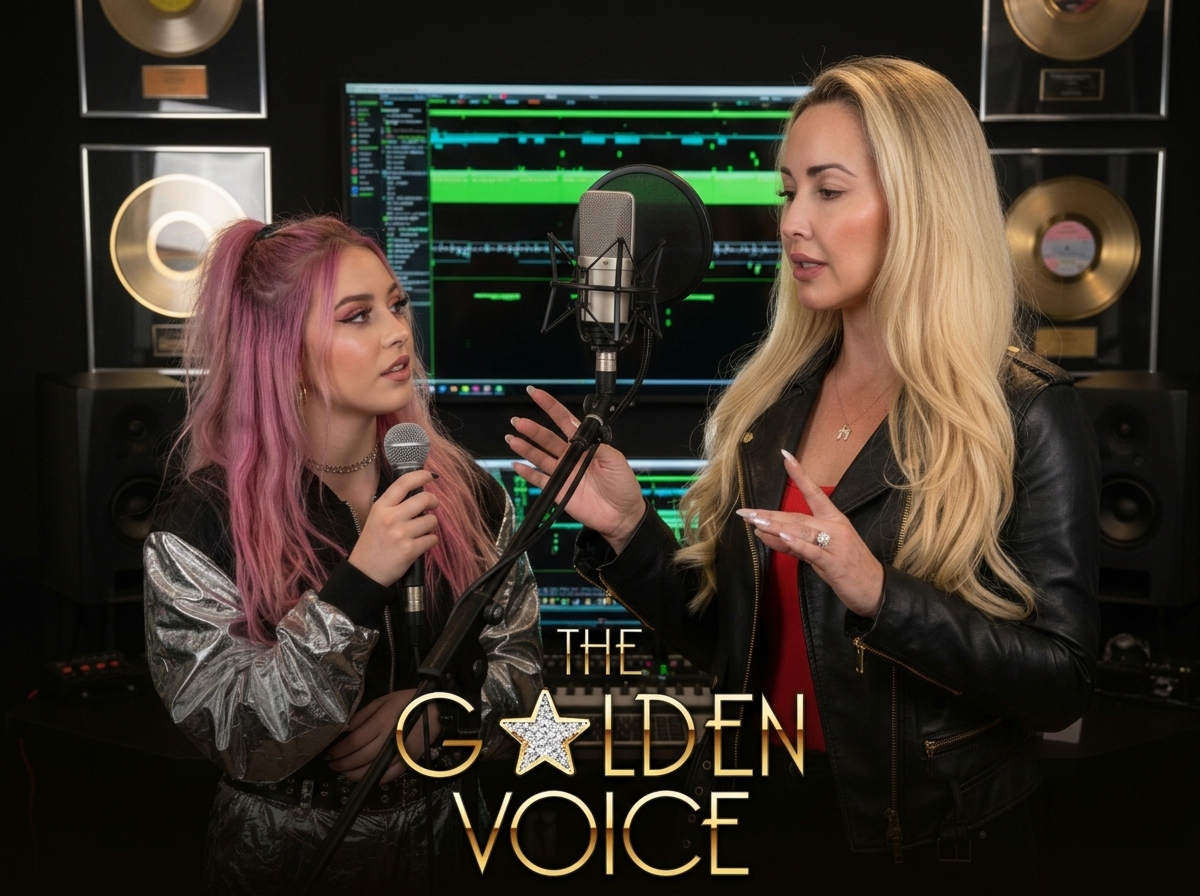
When you want to learn how to sing better, resist the urge to fix your entire voice in one session. Choose one problem and create a clear feedback loop.
1. Choose one result
Decide what you want to make more consistent.
It might be a cleaner register transition, a more stable pitch, a clearer vowel, or less effort during one phrase.
“Sound better” isn’t a specific target.
2. Record a baseline
Sing the phrase once before making adjustments.
Do not record the entire song. Capture the smallest section that reveals the problem. This gives you something specific to compare.
3. Isolate the difficult moment
Find the exact note, vowel, consonant, or transition where the coordination changes.
You may discover that the problem begins earlier than you thought. A difficult high note is sometimes created by how you sing the phrase leading into it.
4. Apply one targeted adjustment
Use one exercise or instruction connected to the problem.
Do not switch methods every few minutes. Give your voice enough repetition to understand the adjustment and give yourself enough time to evaluate the response.
5. Return to the song
Move from the exercise back to the lyric in stages. The goal is to preserve the more efficient coordination while restoring the musical demands.
6. Record the phrase again
Compare the second attempt with your baseline.
Listen for the result you chose at the beginning. Did the pitch become more stable? Was the transition cleaner? Could you repeat the phrase without adding effort?
That comparison turns practice into usable information.
How to Know Whether Your Singing Is Improving
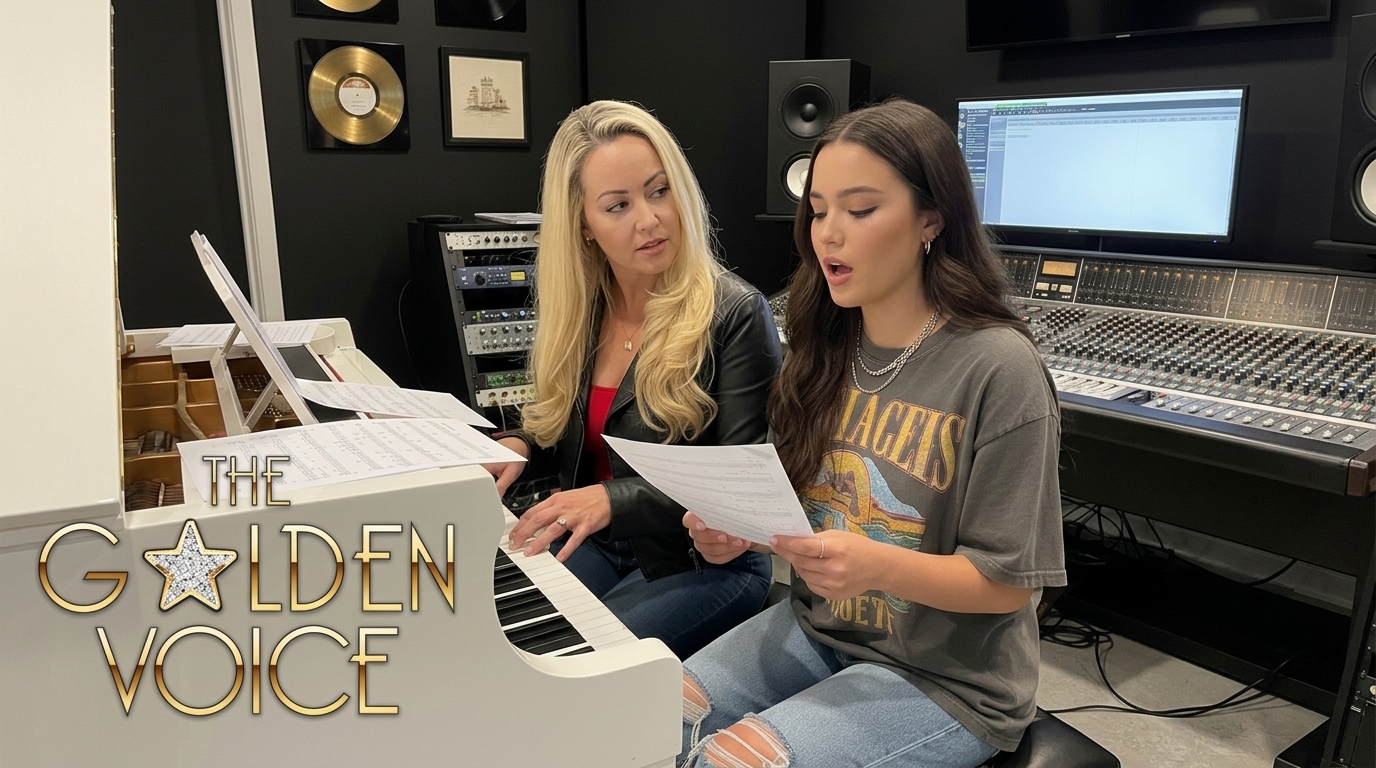
Progress does not always arrive as a dramatic change in your sound.
Often, it appears as greater reliability.
You may notice that:
A note works more than once instead of occasionally.
Your register transition requires less preparation.
You can maintain technique while singing lyrics.
Your voice recovers more quickly after a demanding phrase.
You can make artistic choices without losing technical stability.
Your studio takes become more consistent.
You understand how to correct a problem when it appears.
These changes matter because a singer needs more than isolated good moments. You need a voice you can rely on during rehearsals, performances, auditions, and recording sessions.
How Long Does It Take to Sing Better?
There is no universal timeline.
A useful adjustment may create an immediate difference, but recognizing a coordination isn’t the same as owning it. The voice needs repetition before a new response becomes reliable.
Your progress will depend on:
The habit you are changing
Your current level of coordination
How consistently you practice
Whether your practice addresses the correct issue
How quickly you receive accurate feedback
Whether the technique transfers into your repertoire
Do not measure progress only by the number of weeks you have trained. Measure whether you can produce a specific result more consistently than you could before.
When Personalized Vocal Coaching Makes the Difference
Independent practice can be valuable when you know what to listen for and how to adjust your routine.
The challenge comes when you can hear that something is wrong but can’t determine why it is happening.
This is where personalized vocal coaching becomes important.
The value of a coach isn’t access to secret exercises. It is having someone qualified to determine:
What your voice is doing
What may be causing the problem
Which issue deserves attention first
Which exercise matches that issue
Whether you are performing it effectively
How to transfer the adjustment into a song
Led by celebrity vocal coach Aria Johnson, The Golden Voice develops complete artists, not just singers who can complete vocal exercises.
Through The Golden Voice Method™, technical development is connected to interpretation, performance, confidence, recording readiness, and the demands of becoming a working artist. The singer is assessed as an individual, and the training plan is built around the voice, goals, and music in front of the coach.
The Better Question to Ask During Practice
Instead of asking, “How long should I practice?” ask:
What am I trying to make more repeatable today?
That question changes the entire session.
You stop measuring your commitment only by time. You start evaluating whether your practice is creating a specific, usable result.
If you have been practicing without hearing the progress you expected, you may not need more exercises or longer sessions.
You may need a clearer diagnosis, a better target, and feedback that shows you what your voice needs next.