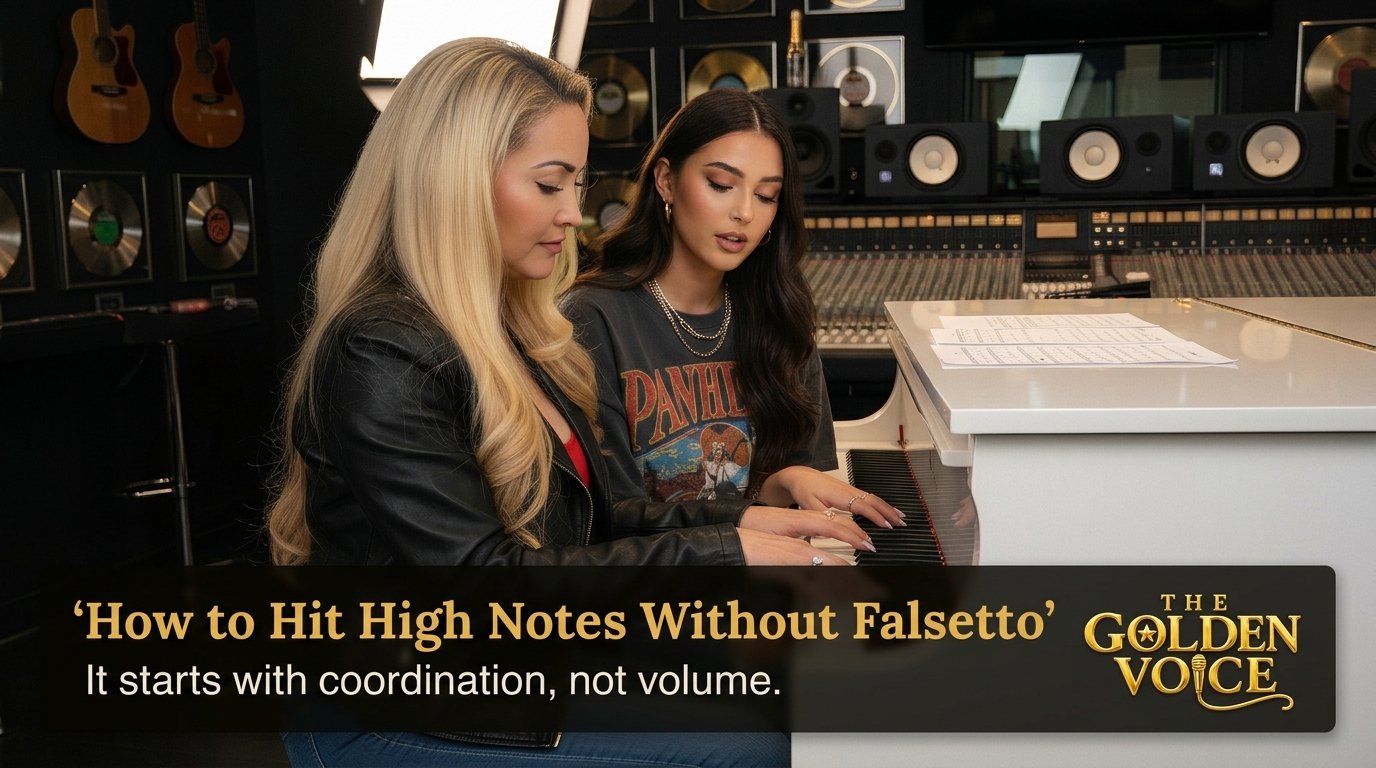
Most singers run through warm-ups without hearing what their voice is really doing. When you sit at the piano, the first few minutes expose how you’re managing breath, handling your range, and where tension is locking you down. This isn’t about filling time with random sounds—it’s a quick vocal warm up piano check that shows exactly what needs work. If you want to start your session with clear direction instead of guessing, this note will change how you warm up forever.
To dive deeper into using your warm-ups effectively, explore Vocal Warm Up Exercises that aim to solve problems, not just fill time. Additionally, if you’re looking for a concise routine, the 10 Minute Vocal Warm Up offers an intentional start to your session. For female singers, it’s crucial to address today’s voice challenges rather than sticking to outdated routines.
The Critical First Few Minutes
When you first start your warm-up, the piano acts like a spotlight, uncovering what your voice truly needs. It’s not just a routine; it’s a chance to hear and adjust your singing right from the start.
Revealing Breath Management and Coordination
In the initial moments, your breath control and coordination are front and center. This is where you understand how you’re managing air. Are you pushing too hard, or is your breath supporting the notes smoothly? It’s about finding that balance where breath becomes your ally. The piano doesn’t lie; it immediately shows if you’re overworking or if your breath is flowing well with your voice.
When you have this insight, you can make adjustments on the spot. Maybe you need to ease up on the pressure or practice a smoother intake of air. This tweak can change how you approach your entire session. It’s not just about making sounds; it’s about understanding how your breath shapes your singing from the very start.
Identifying Overblowing and Tension
Next, you need to spot if you’re overblowing or tightening up. This is where tension often hides in plain sight. Singing with too much force can strain your voice, while tension, especially in the upper range, can cut your session short. The goal is to notice these habits early.
With the piano, you can hear if your voice is pushing too hard or if there’s tightness stopping you from reaching higher notes. Identifying these issues early helps you pivot your focus. Instead of pushing through discomfort, you can work on relaxing and releasing tension. It’s about making your practice more effective by tackling these hurdles head-on.
Using the Piano as a Diagnostic Tool
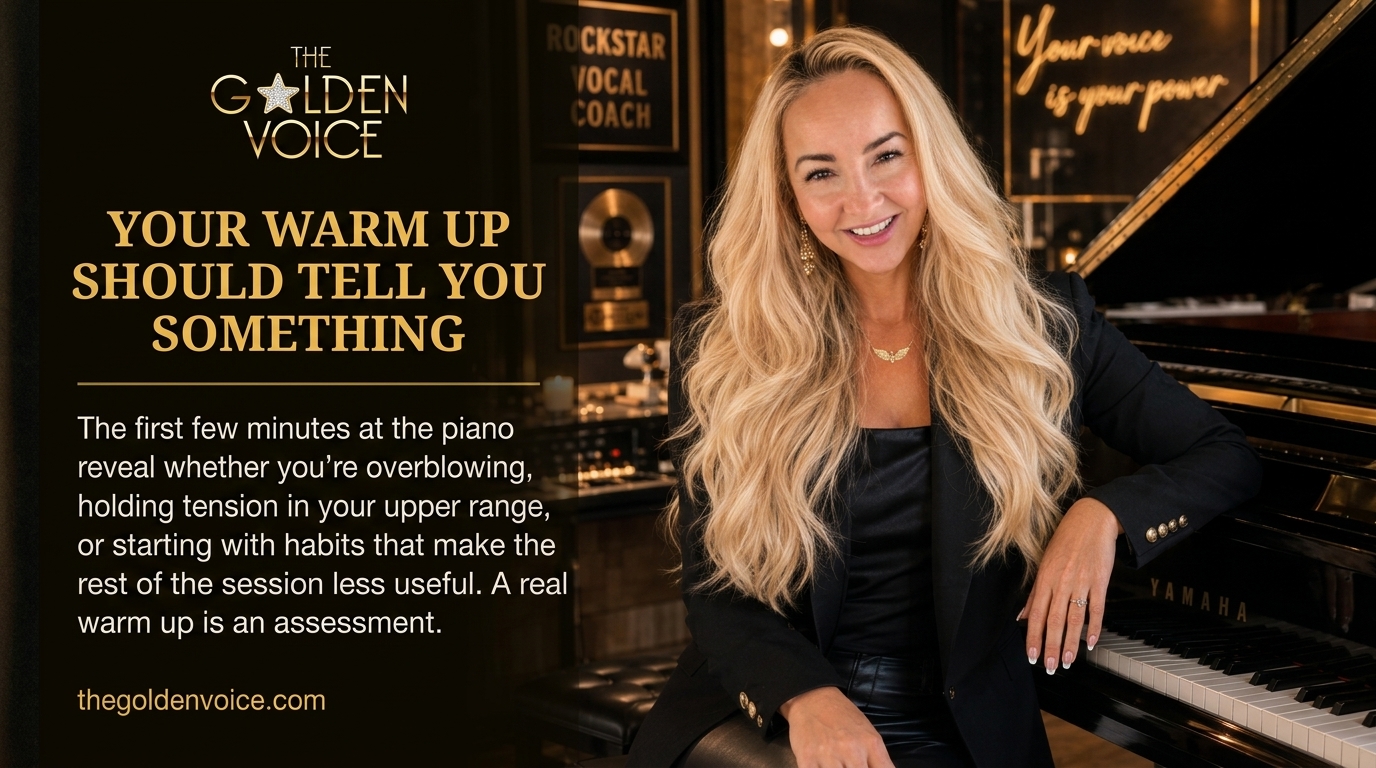
Once you’ve identified the early signs, the piano transforms into a powerful diagnostic tool. It offers feedback on your voice’s current state, helping you target what needs attention.
Assessing Range and Registration Bridges
The piano helps you see exactly where your range shifts. These changes, known as registration bridges, are crucial. They reveal where your voice transitions from one type of sound to another, like moving from chest voice to head voice. If these transitions aren’t smooth, it can limit your singing potential.
By playing scales or arpeggios, you can listen for bumps or breaks. The piano helps you pinpoint where these shifts occur so you can practice smoothing them out. This insight makes your practice intentional, focusing on refining those transitions to ensure your voice moves seamlessly through your range.
Detecting Vowel Tuning and Mix Voice Coordination
Vowel tuning and mix voice coordination are key elements in refining your sound. The piano helps you hear how your vowels might need adjusting. Are certain vowels too sharp or flat? This is the time to tweak them for a more balanced sound.
Mix voice coordination is another aspect that the piano highlights. It shows if you’re blending your vocal registers effectively. If something’s off, you can work on balancing your registers for a fuller, richer sound. By addressing these areas, your singing becomes more polished and controlled.
Transforming Insights into Action
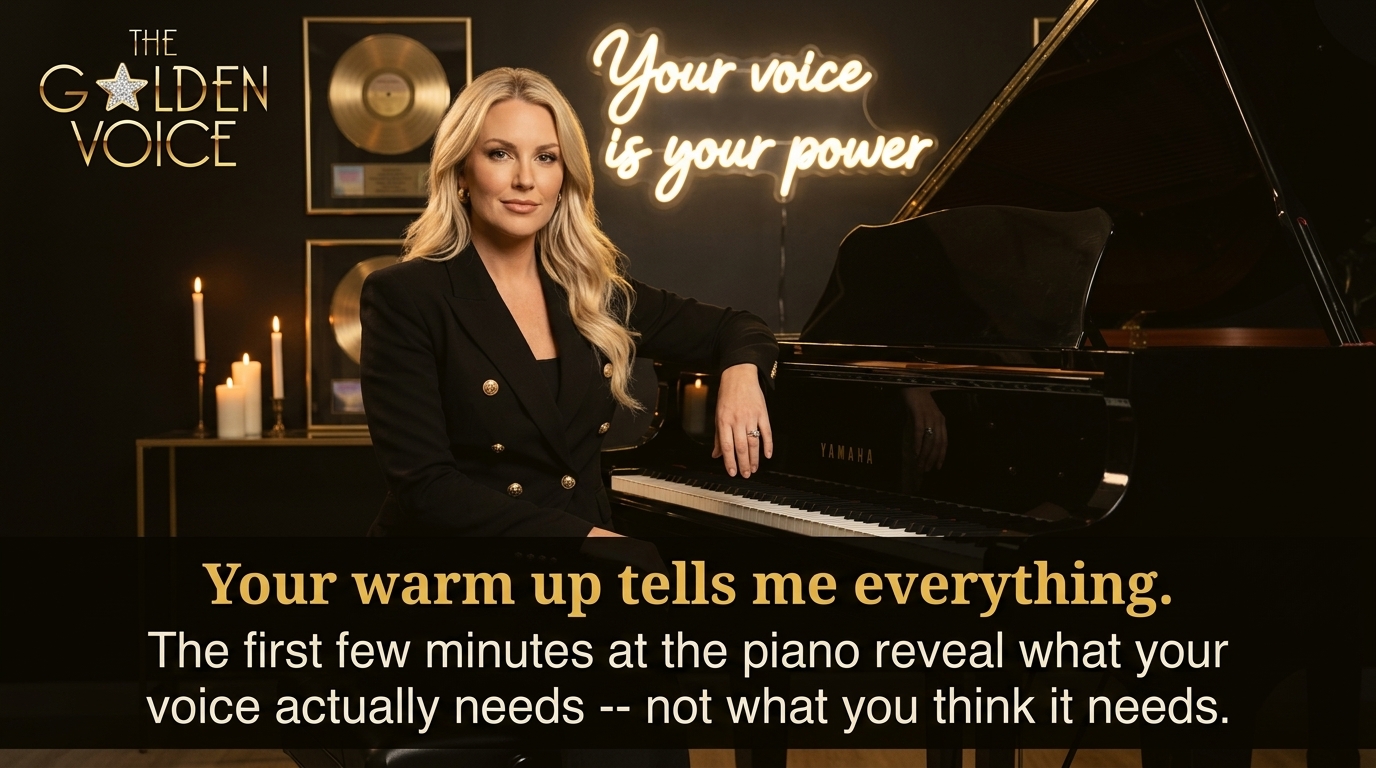
Armed with these insights, it’s time to turn them into actionable steps. This is where you create a plan and build confidence in your vocal journey.
Creating a Targeted Vocal Assessment Plan
With a clear understanding of what needs improvement, you can draft a vocal assessment plan. This plan targets specific areas revealed by your piano warm-up. Whether it’s breath management, tension release, or range transitions, having a focused approach means you’re not wasting time. Every practice session becomes a step toward improvement, guided by the insights your piano warm-up has provided.
Building Confidence with Specific Feedback
When you know exactly what to work on, your confidence grows. Specific feedback from your warm-up lets you see progress more clearly. You’re no longer guessing; you’re working with a purpose. This clarity not only boosts your singing but also motivates you to continue refining your skills. Your sessions become more rewarding as you see tangible results from targeted efforts.
Frequently Asked Questions
Why is a piano useful for a vocal warm-up?
A piano provides precise feedback, helping singers identify areas like breath management, tension, and range. This clarity allows for targeted improvements, enhancing the effectiveness of warm-ups.
What does a vocal assessment plan involve?
A vocal assessment plan focuses on areas needing attention, such as breath control or range transitions. It provides a structured approach to address specific challenges revealed during warm-ups.
How can improving vowel tuning enhance singing?
Improving vowel tuning balances your sound, making it more consistent and pleasant. This adjustment refines your vocal performance, ensuring clarity and control across different notes.