
Most male singers think studio preparation starts when the red light goes on. That’s a costly mistake. Your voice, your key, and your arrangement need to be locked in well before you book the room. When you arrive ready, the session sounds polished and professional; if not, every flaw gets amplified. This post will show you exactly what to fix first, so your recording session captures your true artistry—not your avoidable weaknesses.
Pre-Session Vocal Prep
Understanding what happens before the session is crucial to success. Let’s dive into the steps you need to take to be studio-ready and avoid any hiccups during recording.
Importance of Vocal Warm-Ups
Warming up is your first defense against a rough start. It ensures your voice is ready to perform its best. Think of it as stretching before a big game. Skipping this can lead to strain and missed notes. Spend at least 15 minutes on scales and gentle exercises, gradually increasing intensity. This helps loosen your vocal cords, making them more flexible and less prone to damage. It’s about preparing your whole instrument, not just your vocal cords.
Vocal Placement and Technique
Vocal placement is the secret sauce to a great sound. It involves directing your voice to resonate in the right spaces. Practice with varied vowel sounds to feel where your voice naturally settles. This practice can transform your sound from mediocre to magnificent. A session with a coach can provide insights you might miss on your own.
Managing Upper Range Fatigue
Your upper range can be a tricky area if not handled with care. Fatigue here can ruin multiple takes in a session. Start by identifying the notes where strain begins. Use gentle slides to approach these notes without tension. Rest when needed and drink plenty of water to keep your cords hydrated. Recognize when to push and when to ease off.
Arranging for Success
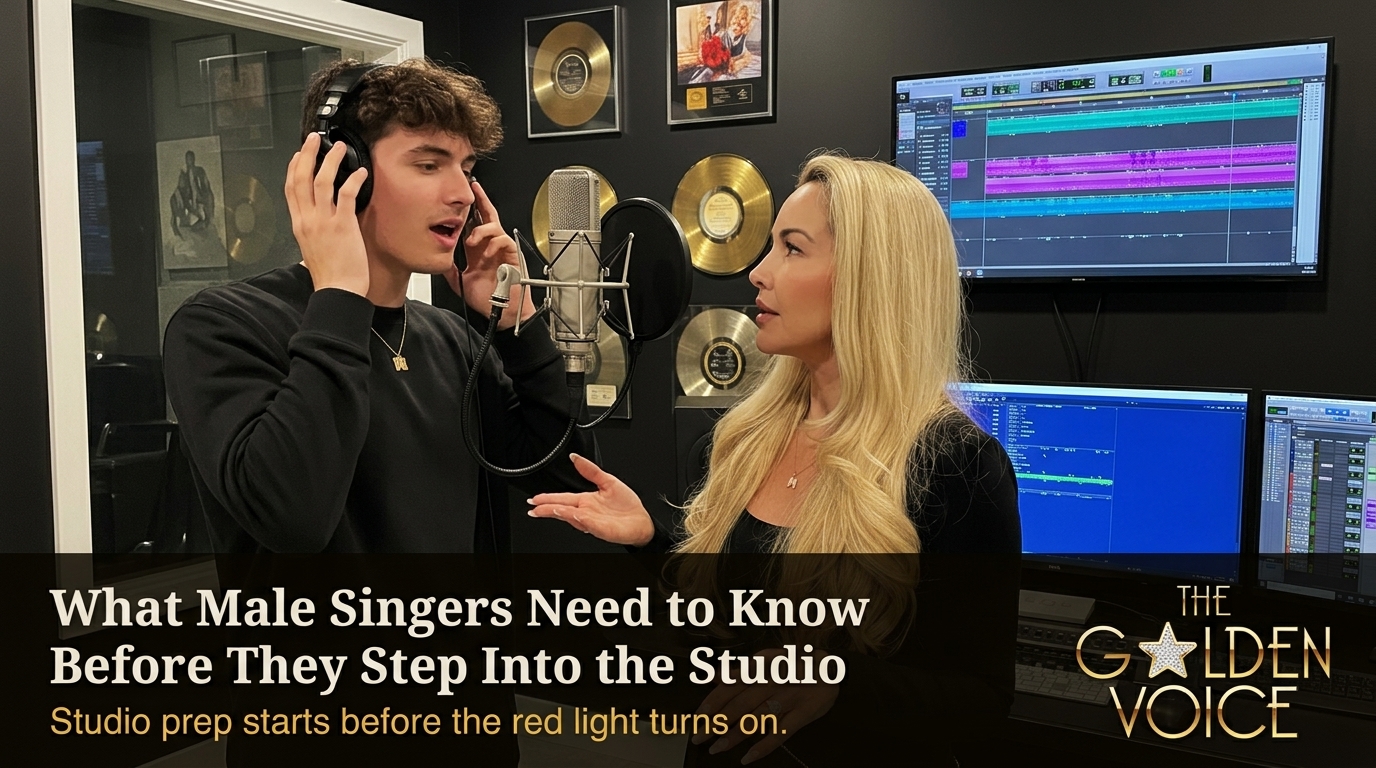
The arrangement is as important as the performance itself. It’s about making the song suit your voice and not the other way around.
Key Selection for Singers
Choosing the right key can make or break your performance. A song that’s too high or low can cause unnecessary strain. Experiment with different keys using a keyboard or a guitar. Find one where your voice feels comfortable and powerful throughout. This process can transform how your song is received.
Crafting Arrangements for Your Voice
Your arrangement isn’t just about instrumentation; it’s about your vocal role, too. Tailor the song to highlight your strengths. If your lower range shines, let it lead. Consider where harmonies and backing vocals can enhance the piece. A well-crafted arrangement frames your voice, drawing out its best qualities.
Performance and Delivery
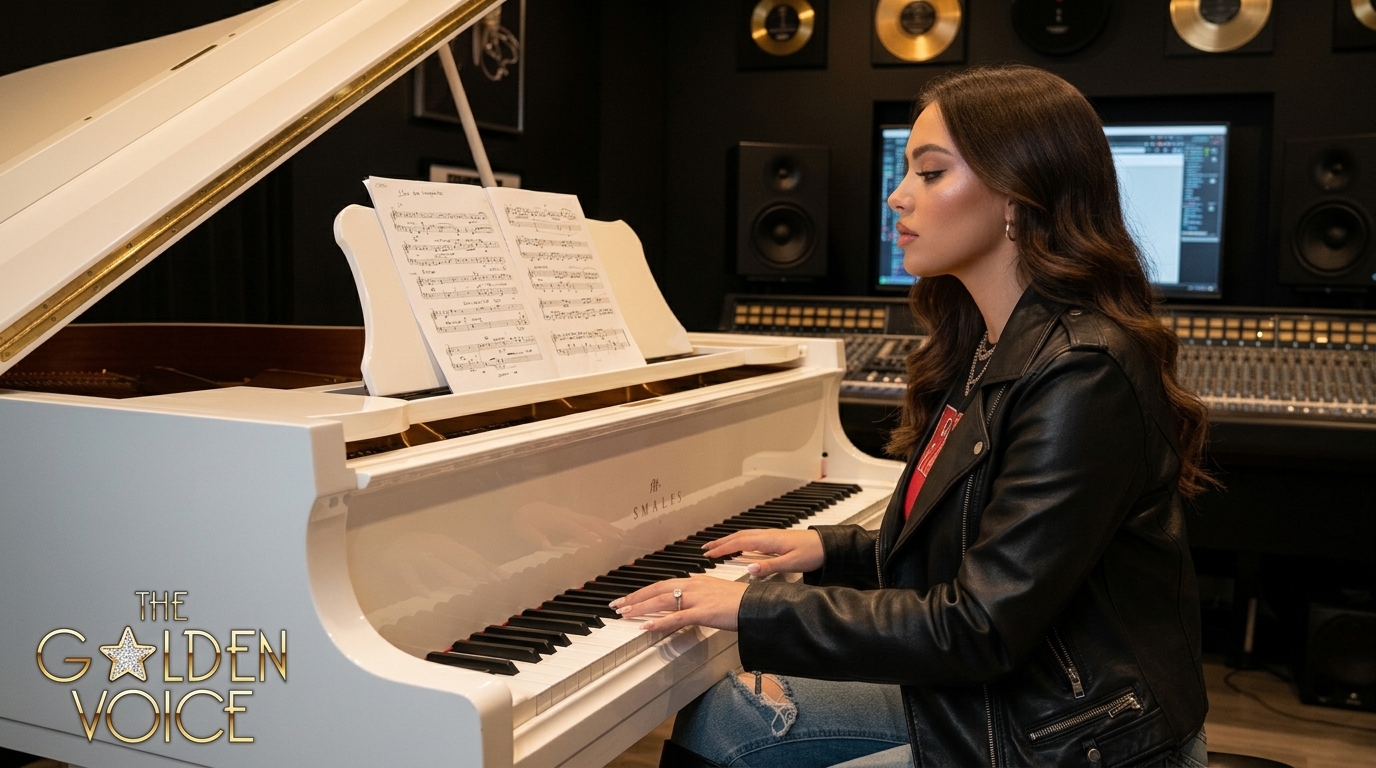
With your prep and arrangements locked in, it’s time to ensure your delivery matches the quality of your work.
Developing Vocal Stamina
Stamina isn’t just raw power. It’s about maintaining quality over time. Practice singing full sets at home to build endurance. Include both loud and soft dynamics to mimic studio demands. This preparation will help you stay consistent from start to finish.
Mic Technique for Singers
Mic technique can elevate your studio session. Learn to work with the mic, not against it. Avoid getting too close, which can cause distortion, or too far, losing impact. Practice adjusting your distance and angle for different dynamics. This skill adds professionalism to your recordings.
Frequently Asked Questions
What are the best ways to warm up your voice before recording?
Start with simple scales and humming exercises to gently awaken your vocal cords. Gradually increase the intensity and range of your warm-ups as your voice loosens and adapts.
How do you choose the right key for a song?
Experiment with different keys using an instrument. Pay attention to where your voice feels strongest and most comfortable, ensuring you can hit all notes confidently.
What’s the importance of mic technique in the studio?
Proper mic technique helps capture the best quality of your voice. It involves managing distance and angle to ensure your vocals are clear and dynamic without distortion.