
Most singers think vocal warm ups are just something you have to get through before you start singing. That’s backwards. A good warm up should tell you what’s happening with your voice today. If you finish warming up and you’re still tight, pushing, or guessing, your warm up didn’t give you the information you needed.
At The Golden Voice, we use vocal warm ups to identify what the voice is doing before we decide what it needs. The goal is not to run through random exercises and hope something improves. The goal is to listen, assess, and choose the technical work that will actually help you sing with more control. [https://thegoldenvoice.com]
Stop Checking the Box
A lot of singers do the same warm up every day because they believe consistency means repeating the exact same routine. But completing a set of scales does not automatically mean you prepared your voice. If you are moving through the exercises without noticing where the voice tightens, disconnects, or loses clarity, you are checking the box instead of learning from what your voice is showing you.
Frustration with Random Warm Ups
You can warm up for twenty minutes and still feel tight, unfocused, or unprepared when you start singing. That does not always mean you need more exercises. It may mean the exercises you chose never addressed the actual problem. Random warm ups create random results because they are not connected to what your voice needs that day. A useful warm up should help you identify the issue before you start trying to fix it.
Honest Assessment Before Singing
Before you start singing a song, pay attention to how your voice is responding. Is the sound starting easily? Does the voice feel heavy? Are your register transitions smooth, or do you begin gripping as you move higher? Are certain vowels easier than others? This is not about judging your voice. It is about gathering enough information to make an intelligent decision about what to work on next.
Understanding Vocal Needs
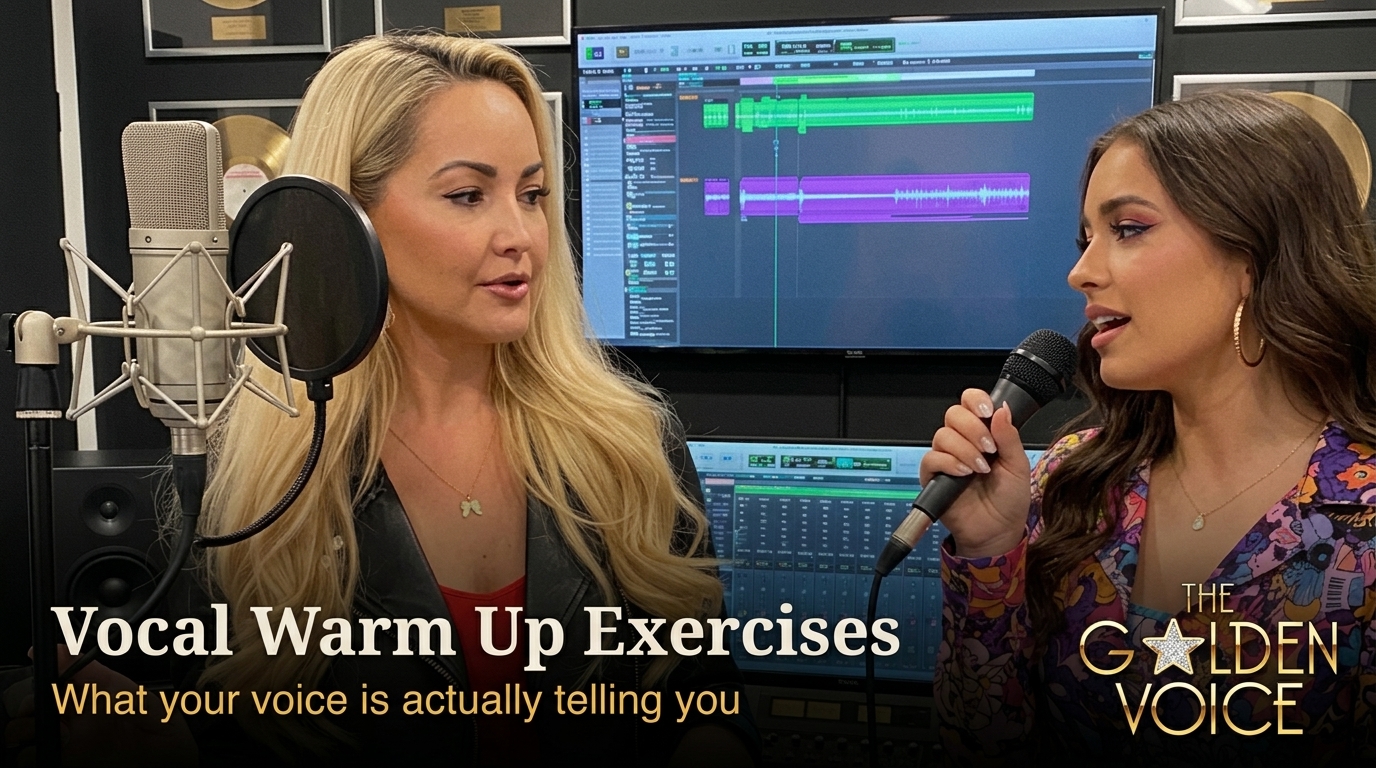
Your voice is trying to tell you something every time you warm up. The question is whether you are listening. Many singers repeat the same routine every day, hoping it fixes the problem, instead of paying attention to what the exercises are actually revealing.
Diagnostic Vocal Warm Up
A diagnostic vocal warm up does more than get the voice moving. It helps you recognize where the coordination is working and where it begins to break down. Are certain notes harder to reach? Does the voice become breathier as you ascend? Are you adding pressure to stay connected? Does the sound shift suddenly between registers? Those are not random details. They are clues that help you decide what kind of technical work your voice needs.
Revealing Coordination Problems
Once a warm up reveals a coordination problem, you can stop guessing and start working on the right issue. Maybe the high notes are unclear because you are carrying too much weight upward. Maybe the transition between registers feels rough because you are bracing before the change. Identifying the problem gives your practice direction. You can make an adjustment, test the result, and listen for what changes instead of repeating exercises without understanding why.
Choosing the Right Exercises

Once you understand what your voice needs, choosing the right exercises becomes much easier. The best vocal warm up exercises are not simply the ones everyone else is doing. They are the exercises that help your voice solve the problem in front of you. Every exercise should have a reason behind it.
Targeted Technical Work
CIf the voice feels heavy, you may need an exercise that encourages a lighter coordination. If the registers feel disconnected, a gentle siren may help you explore the transition without forcing it. Straw phonation can be useful for some singers because the resistance created by the straw may help the voice coordinate with less effort. NG sirens may also help some singers explore resonance and smoother transitions. But neither exercise is a universal fix. The exercise matters, but how your voice responds to it matters more.
Building a Balanced Mix Voice
A balanced mix voice is not built by pushing higher or trying harder. It develops through consistent coordination between breath, vocal fold function, resonance, and registration. The right exercises can help you move through your range with more control, but they need to be chosen carefully. The goal is to sing higher without dragging excessive weight upward and to maintain strength without turning every note into a physical battle. When the technique is more balanced, you have more freedom to focus on the actual performance.
Frequently Asked Questions
What are the best vocal warm up exercises?
The best vocal warm up exercises are the ones that address your current coordination and prepare you for the demands of the song. There is no single routine that works equally well for every singer.
How do I know if my warm up is effective?
An effective warm up should leave your voice feeling more responsive and coordinated. It should also help you identify areas that still need attention. If you feel more tired, pressed, or confused afterward, reassess the exercises and how you are doing them.
Why do singers need a diagnostic vocal warm up?
A diagnostic vocal warm up helps you recognize where the voice is coordinating well and where it is not. That information allows you to choose more targeted exercises and use your practice time more effectively.
Can warm ups really reduce vocal strain?
The right exercises may help reduce unnecessary effort and improve coordination, but warm ups cannot guarantee that strain will not occur. Pain, persistent hoarseness, or recurring vocal problems should not be pushed through.
How often should I change my warm up routine?
Your routine should change when your voice or the material requires something different. Some exercises may remain consistent, but the purpose of the warm up should respond to what you need that day.